Gamification in affiliate marketing

Gamification of a website or application increases user engagement. This method works well in the gambling industry and sales funnels. Interactive game elements make interaction with the resource more interesting and active. This approach not only entertains but also motivates people to take the desired actions, including making a purchase.

In affiliate marketing, any interactive elements are evaluated not by their “wow” effect but by their impact on the final result. Even the most well-thought-out gamification is meaningless if it does not strengthen key metrics and bring the user closer to the target action. Therefore, when implementing game mechanics, it is important to understand how exactly they affect conversion and what factors really determine the growth of indicators.

For more information on the types of conversions and how to work with them, read the article:conversion.

Basic game mechanics

Gamification is a structured scenario where successive stages form a logical chain. The most common mechanisms are presented below.

Simulation of a system failure

The mechanic is based on provoking a brief loss of control followed by its restoration. The emotional fluctuations caused by this technique contribute to deep engagement. After a momentary disorientation, the user immediately receives a solution to the “problem.” Technical implementation is possible through:

  • Google Forms;
  • Taplink;
  • videos simulating interference;
  • GIF animation.

A typical example is the display of a “Connection Error” banner, which is replaced after a few seconds by the message “System restored. You have been credited with a bonus.”

Interactivity in one action

The essence of the method boils down to getting an instant response to a single question. An example is a quiz with several answer options, where the next message is generated based on the user’s choice.

This mechanism increases audience engagement by shifting from passive observation to active participation. At the same time, it creates the illusion of independent choice and ensures a smooth transition to a commercial offer. The presentation of information becomes more natural, emphasizing the personal benefits of further interaction.

Social proof and statuses

The use of social proof through public statuses, achievement badges, or leaderboards enhances motivation through recognition. Users strive not only for personal progress but also to demonstrate their successes to their peer group. This mechanism works effectively in community-oriented projects, where public approval increases the value of virtual achievements.

Progression system

The methodology is based on influencing the psychological need for achievement and visible progress. Observing their own growth, users feel the desire to continue interacting. A vivid illustration of this is informing the user about their current PRO status with the prospect of reaching VIP level to receive additional privileges.

A critical condition is a clear visualization of the levels and an understandable scheme for achieving them. The effectiveness of the system increases when the stages of progress are directly linked to solving specific problems. Instead of the abstract “click to earn points,” specifics are used: “complete the task to upgrade to PRO level and increase your personal discount.”

Integration with real actions

The connection between game mechanics and the physical world through offline tasks, QR code scanning, or visiting locations creates an augmented reality effect. This approach transfers virtual engagement to the material plane, reinforcing the value of progress. This strategy is particularly effective for retail brands seeking to increase foot traffic at their points of sale. It guarantees long-term user retention.

Progress visualization

Scrolling dynamics can be effectively used by implementing a progress indicator. The message “60% complete, just a little left” reflects reality by imitating game progression.

The psychological effect of “almost there” motivates users to complete the action, especially when there is a promised reward at the end. It is recommended to control the pace: accelerate the initial stage for adaptation, followed by a slowdown and the addition of motivational messages. However, the process should not turn into an endless procedure without tangible results — otherwise, the emotional triggers will cease to work.

Competitive component

The competitive instinct is highly effective, especially in audiences with a predominance of male users. The awareness of the participation of other real people awakens excitement and the desire to win. A dynamic leaderboard, where positions are constantly changing, greatly enhances engagement.

Participants who observe fluctuations in the rankings experience emotional stress and strive to prove their superiority. It should be noted that this mechanism only works if there is an active user community.

Proven gamification tools

In addition to the basic mechanisms, there are specific tools that have proven their effectiveness.

Wheel of fortune

An element that instantly generates excitement and hope for luck. The simplicity of the “spin and win” action is combined with emotional tension. A vivid illustration of this is the practice used in Temu-format applications, where the wheel of fortune transforms initial interest into long-term interaction with the platform.

Interactive challenge

A mini-game integrated into advertising creativity is a simple question or challenge. The “99% fail this task” format, followed by a transition to a landing page for the answer, creates intrigue and increases traffic.

However, the mechanics of the challenge do not work in isolation from the visual and semantic presentation. The user makes a decision in a fraction of a second, and it is the first screens that determine whether they will be involved in the game or simply run past the ad. This is especially critical in affiliate marketing, as the interactive element must be not only interesting but also commercially justified.

Advertising creativity plays a key role here, as it determines the initial engagement and further behavior of the user.

Countdown timer

Gamification of landing pages in affiliate marketing is usually based on FOMO (fear of missing out) psychology and excitement. A one-page website should compel a person to take the desired action here and now: a countdown timer or messages such as “discount valid for the next 5 minutes” are ideal for this.

Adaptive scenario

A dynamic system that adjusts the complexity of tasks and the type of rewards to the user’s behavioral profile creates the effect of a personalized trajectory. Algorithms analyze the participant’s actions and offer appropriate challenges, which prevents premature saturation with the game process. This approach maximizes the interaction lifecycle.

Such scenarios only work effectively when the system understands who it is interacting with. Universal game chains quickly lose their effectiveness if they do not take into account the interests, level of training, and motivation of the user. That is why gamification should be based not on random triggers, but on data about the behavior and characteristics of the audience.

This approach is directly related to segmentation of the target audience, without which it is impossible to build a personalized and sustainable funnel.

Structured survey

A simple test, often with elements of humor, ends with the user being redirected to a personalized offer. An offer that perfectly matches the respondent’s answers creates the effect of an individual approach and ensures a sharp increase in conversion.

Conclusion

Gamification in affiliate marketing increases engagement. It evokes emotions and excitement. Balance is important, otherwise it will alienate users. Proper implementation improves metrics.

Before implementation, you need to study your audience and test your ideas. Monitoring behavior allows you to customize the system to maintain interest. This approach gives you an advantage in the market.

Optimizing traffic processing and increasing conversion

Traffic processing is working with a lead after they have submitted a request or taken the initiative to contact a manager. The main goal of such processing is to encourage the audience to take targeted action and form a positive perception of the brand and product.

As a rule, communication takes place by phone or in messengers. The choice of the appropriate channel is determined by the characteristics of the product.

Traffic processing rules

The following conditions are necessary for organizing traffic processing:

  1. High-quality equipment and stable connection. Long waits for a response, poor sound quality, and regular connection drops annoy even the most patient customers.
  2. Competent and clear speech of operators. Ideally, the operators should be native speakers of your target audience’s language. This ensures complete mutual understanding, including understanding of slang and dialectal features.
  3. Availability of a sample dialogue script. The operator must have a clear plan for the conversation. The standard script includes: establishing contact, identifying needs, working with objections, and leading the lead to a purchase.
  4. Access to fresh accounts and phone numbers. This is a basic technical resource for effective work.
  5. A steady stream of fresh leads. Processors must regularly receive new leads to maintain productivity.

Compliance with these rules forms a solid foundation for the sales department. Without high-quality communication and competent speech, all further efforts to convince the customer may be reduced to nothing. Technical reliability and professionalism of operators are the minimum that every potential buyer expects.

Ways to improve processing

We have discussed the rules for ideal processing. But what if this process needs improvement and you need to increase conversion? Here are some working methods that are worth implementing if your traffic processing department is not coping.

Method 1: Test all script options

Having a well-thought-out script is the basis for an operator’s success. It is not always possible to improvise in real time and follow the plan at the same time. It is worth testing different approaches:

  1. Auto-replies. Ideal for situations where the user is already ready to buy and does not need additional persuasion. In this case, a link to the product and instructions for placing an order are automatically sent in the first message.
  2. Creating urgency or scarcity. A classic technique: emphasize that the offer is limited in terms of product quantity or discount validity period.
  3. Gradual immersion. This approach requires more time to run. After identifying the customer’s problem, you need to create an image of a successful buyer and only then present the main offer.
  4. Social proof. This refers to product reviews that build trust. Today, every salesperson should have real customer stories or screenshots with positive reviews at their fingertips.
  5. Additional offer (Plan B). If a customer refuses to place an order, it is worth offering them an alternative with a discount or bonuses. This often changes their decision.
  6. “Frequently asked questions.” You need to create a database of typical questions and ready-made answers to them. This will help operators respond to requests faster.

The strength of this approach lies in its flexibility and measurability. By testing different scripts on audience segments, you can gather feedback from the market. This transforms processing from a routine task into a strategic tool that is constantly evolving and adapting to consumer behavior.

Method 2: familiarize processors with the combinations used

For high conversion, the operator must understand the source of the lead. Knowledge of combinations allows for better orientation in the needs,level of run, and requirements of the audience. This helps them instantly select a relevant offer that will lead to a purchase.

The operator should be provided with the following information about the bundles:

  • links to resources (channels, pages) where the audience was run;
  • data about the target audience: target settings, geolocation, demographics, language;
  • examples of creativity with current promotions, discounts, and characters used in advertising;
  • a description of the approaches to running and the key points that motivated the audience.

When the processor has a complete picture of the funnel, they cease to be just a “voice on the phone” and become a full-fledged participant in the marketing process. They understand what pain the customer is looking to solve, what advertising intrigued them, and what transformation they expect to receive. This knowledge allows them to engage in dialogue with the customer on the same wavelength, reinforcing and confirming the messages they have already seen, which greatly increases the level of trust and the perceived value of the offer.

Method 3: Speed up response time

Customers don’t like to wait for a response, especially when their interest in a product or service is high at that particular moment. Usually, people want to discuss the details immediately after submitting a request. If there is no response, doubts arise and they start looking for an alternative.

To increase processing speed, you can use the following tools

  1. Auto notifications in messengers. You need to set up automatic messaging immediately after receiving a request. This will show the customer that the operator is online and will contact them soon. You can add information about promotions or the product range to such a message to further interest them.
  2. First line of processing. It is worth implementing a system where several specialists make the initial contact and qualify leads. After that, the processed requests are forwarded to specialized managers. This speeds up the response and makes communication more personalized.
  3. Outsourcing for peak loads. It is advisable to have freelance processors on hand who can be quickly connected during periods of increased demand.

Response speed is a powerful psychological factor. An instant response (even an automated one) makes the customer feel cared for and well served, relieving the initial tension. They understand that they have not been ignored and that their needs are important to the company. In today’s world, where attention is the scarcest resource, a quick response is a competitive advantage that prevents potential buyers from going to the first responder.

Summing up

Don’t neglect traffic processing, as it can help increase conversion rates. Often, competent operator work can bring back customers who were almost lost.

How to build an AI team for affiliate marketing in 2026

The topic of using neural networks in affiliate marketing is becoming increasingly relevant. For this reason, every webmaster should understand how to go beyond disparate tools and create a comprehensive AI team capable of automating and significantly speeding up the workflow.

AI team vs. conventional use of neural networks

The main difference is in the systematic approach. Instead of using neural networks on a case-by-case basis, AI is used to build a coordinated system with clear processes. Its key elements include:

  • general analytics and a working pipeline. The system analyzes what worked, which simplifies scaling and improving results. The pipeline, built on templates and APIs, allows you to automate routine operations;
  • prompt database. All successful prompts (requests to AI) are stored in a structured form with an indication of the offer, target audience, channel, and result. This becomes a valuable knowledge base;
  • filtering system. Each creativity and offer undergoes a basic check against templates and selection based on metrics, allowing only promising options to remain.

Together, these elements transform disparate experiments with neural networks into a manageable pipeline. Analytics and pipelines ensure reproducible success, the prompt database eliminates the need to reinvent the wheel every time, and the filtering system saves time on manual selection by passing only the strongest hypotheses forward.

Roles and Tasks of the AI Team in 2026

An effective AI team is built on the distribution of roles, where each virtual “employee” performs their function:

  1. Prompt specialist (AI creator). Formulates tasks for AI, writes and tests prompts, adapts them to different formats, cleans up results, and collects working templates in a database for training.
  2. Visual generator. Responsible for creating and adapting creativity (images, videos) for different GEOs and audiences. Works in tools such as Midjourney and Runway, quickly cloning working templates.
  3. Creative analyst. Analyzes performance: which prompts and creativities worked and which did not, identifies patterns. Based on this, forms recommendations on what to scale and what to archive.
  4. Automation configurator (Integrator). Connects various AI tools into a single automated pipeline. Does not create creativity manually, but ensures the smooth operation of the generation and loading system.
  5. AI Team Lead. Manages the entire system. Determines which tasks to automate and which to leave to manual control, configures workflows and pipelines, maintains a knowledge base, and controls scaling.

It is important to understand that these “roles” are often performed by one or two real specialists. However, the functional division of tasks is necessary for clarity of processes. The interaction of these roles resembles the work of a conveyor belt: from idea and text (prompting) through visuals and assembly to analysis of results and continuous optimization of the entire cycle.

For specialists who are just planning to join a team, it is useful to figure out in advance how to get into the arbitration team.

Skills and tools for productive work

To implement this model, you will need to master several key areas:

Prompting and working with templates

This is the ability to formulate requests to AI in a clear and structured way. The work also includes collecting and systematizing successful prompts into templates for cloning. This is a fundamental skill for the entire team. Without understanding how to “talk” to the neural network, even the most sophisticated pipeline will produce mediocre results. Investing time in learning the basics of prompting and creating your own template library pays off many times over in terms of the speed and consistency of creativity.

Visual production with AI

The tools used are: Midjourney/DALL-E (image generation), Runway (video editing), CapCut/Descript (final editing). It involves adapting visual templates to the styles of different social networks and GEOs, automating the workflow, and using AI voiceovers. This area is responsible for “packaging” the idea. Modern AI tools allow you to create dozens of unique visuals in a matter of hours, which previously required days of work by a designer or editor. The key task is not just to generate an image, but to ensure a consistent style that matches the brand of the offer and the expectations of the local target audience.

Creativity analytics

Its tools include Google Sheets, Airtable, and Looker Studio. The team is responsible for a detailed analysis of creativity effectiveness (CTR, tone, etc.) to form clear conclusions and instructions for the team. Analytics is the engine of scaling. Without it, the work of the AI team turns into blind content generation. Properly configured dashboards and metrics systems allow you to quickly understand how your audience will respond to a particular level of creativity. They also help weed out ineffective hypotheses, redirecting resources to promising areas.

Building automation

First, any process is tested and debugged manually, and only then is it automated. The sequence is: prompt/generation/refinement/testing/implementation in the pipeline. Attempting to automate a raw, untested process will only reinforce errors and lead to a loss of resources. Successful automation is always the final stage, the crowning achievement, when there is already a proven template for action that only needs to be entrusted to the machine. Integrations via Make, Zapier, or custom scripts connect disparate tools into a living organism that independently creates, tests, and reports.

Creating an internal knowledge base

This is necessary for quickly onboarding new team members and standardizing processes. Checklists, guides, and instructions for key stages of work are used for this purpose. The knowledge base is the DNA of any AI-based team, ensuring its stability and growth. It records accumulated experience, best practices, and solutions to complex problems, transforming individual knowledge into institutional knowledge. This allows you to maintain efficiency when scaling and provides clear algorithms for action to everyone involved in the process, from newbies to team leads.

These and other tools for working with an AI team simplify affiliate marketing at any stage.

Conclusion

Today, artificial intelligence is a potential team member. A well-structured AI team in affiliate marketing leads to faster processes and increased efficiency. The key to success is not to completely replace humans, but to create a well-coordinated system where AI takes over the routine tasks and the publisher focuses on strategy and control. Starting with the development of basic roles and processes, a specialist will be able to create a powerful tool that will change the approach to work.

How to warm up your audience as a webmaster

Running helps you get more applications because users begin to trust the product. It is necessary for promoting an offer in any field, regardless of the characteristics and type of target audience. This article describes the main methods of preparing an audience.

Webmasters run warming up to shift a person’s attention from their problem to a ready-made solution. This step is necessary to remove initial doubts and objections with the help of information.

The costs of creating materials for warming up should bring in more profit. It is important to check that the increase in sales or the average check justifies the budget invested.

What is running and why is it needed?

Running is preparing a person for a purchase or application. The webmaster introduces the audience to the product, talks about the possible benefits, and encourages them to take action. Usually, special pages (pre-landing pages), social networks, and email newsletters are used for this.

Running warm-up works best in two cases. First, it is suitable for a cold audience that is seeing the ad for the first time. Second, it can be used when working with bloggers, since influencers’ recommendations are more trusted. This method is most often used in the following areas:

  • health and dietary supplements;
  • finance and loans;
  • cryptocurrency;
  • training courses.

The decision to run is made by assessing the complexity of the offer. An expensive product or service that changes habits almost always requires a stage of familiarization and persuasion. For simple and impulse purchases, lengthy preparation is usually unnecessary. In this case, the offer can be as simple and straightforward as possible. That is, the customer should see the benefit and quickly understand why they need to place an order here and now.

Warming up the audience is not necessary for all advertising campaigns. If the traffic is already warm (the user was looking for a solution) or the target action is simple, a short funnel without unnecessary steps will work better. The webmaster must distinguish between these cases so as not to lose conversions due to a complicated strategy.

Read about all the features of running accounts in Telegram in this article.

Methods for short-term running

Short-term running occurs immediately after clicking on an ad. The webmaster directs the user to a special page and applies one of the formats. The main formats for quick running include:

  1. Personal story. A story from the perspective of a person who has already purchased the product and achieved results.
  2. News. Using a current event to attract attention and smoothly transition to the offer.
  3. Reviews. Several real opinions from buyers to increase trust.
  4. Survey (quiz). Several simple questions on the topic to engage the user.
  5. Benefits. Offering a discount or bonus to motivate further action.

When creating such a page, the webmaster builds a logical chain. The content should lead the user from the problem to the solution without any sudden jumps. All elements (heading, text, images, button) should work together for the overall result. In fact, they are a continuation of each other.

The webmaster’s task is to quickly run the audience, i.e., show the benefits and not overload the person with unnecessary data. It is important to test different page options and combinations to find the most effective one for your audience. For example, you can compare what will generate more applications: one detailed story or several short, vivid reviews.

What is segmentation and how to properly segment your target audience? Follow the link and study the material.

Approaches to long-term warming up

Long-term warming up requires more time and several stages of communication. First, the webmaster gathers interested people in one place: on social media, in a messenger app, or in a mailing list. Then they show the target audience options for solving their problem. The main methods of long-term running include:

  • demonstrating success. Beautiful content that shows life after using the product;
  • real reviews. Constantly adding customer opinions to the feed;
  • story in parts. A long story divided into several posts or letters;
  • useful materials. Free instructions, checklists, or tips that prove the author’s expertise;
  • dialogue with the audience. Active communication in comments and messages to strengthen relationships.

Success here depends on the regularity of publication and the usefulness of the content. A webmaster needs a publication plan that constantly provides customers with valuable information, not just sells. Over time, the target audience begins to see them as an expert, which greatly increases the chances of a sale. The results of such work are not immediately apparent, but it builds loyal customers for the future.

Webmasters should post content regularly and occasionally remind subscribers of their offer with special promotions. To check effectiveness, they should monitor not only sales, but also subscriber activity, audience growth, and email open rates.

Brief conclusion

There is no single ideal way to run the warming-up process for everyone. Webmasters need to try different approaches, combine formats, and analyze the numbers. The main thing is to understand your audience and be flexible in changing your strategy when you receive new information. Only then will affiliate marketing be effective.

The final decision always depends on the specific product, country, traffic source, and advertiser’s conditions. An experienced webmaster draws on their past successful campaigns and applies proven methods to new projects.

Thus, running is a strategic tool. Its correct use not only increases conversion, but also creates the basis for a stable traffic business in the future.

Binary options: definition, features, entry algorithm

In 2025, there has been a surge of interest in binary options. Their appeal to beginners lies in their accessibility and the prospect of quick profits, but there are legitimate doubts about their reliability. This review details the principles of how these instruments work and answers questions about their practical application.

The essence of binary options: fundamental principles

Binary options are contracts in which the participant predicts the direction of change in the value of the underlying asset within a strictly defined interval. A correct prediction provides a fixed profit, while an incorrect prediction results in the complete loss of the invested funds. This is a speculative product that does not involve actual ownership of the asset, which simplifies transactions but increases the risks many times over. The main types of binary options include:

  1. “Up/Down”: Predicting whether the price will rise or fall by the time the trade is completed.
  2. ‘Touch’: Payment is made when the price reaches a set level at least once.
  3. “Range”: Betting that the price will remain within a specified price range until expiration.

All binary options are characterized by a predetermined return, a known expiration date, and a binary outcome (full profit or absolute loss).

Legal status and regulation

The legal framework for binary options remains controversial. Since 2018, their sale to unqualified investors has been prohibited in the EU due to extreme risks and fraudulent schemes. In the US, trading is legal only on exchanges under the jurisdiction of the CFTC.

Trading technology: step-by-step algorithm

Getting started requires a series of steps:

  • register with your chosen brokerage provider;
  • fund your trading account (the minimum entry threshold is often $10);
  • determine the asset, the expected price vector, the investment amount, and the contract expiration date.

Trading binary options is critically dependent on the time factor: contract durations vary from 30 seconds to several hours. Fixed returns are usually 60-90%. An integral part is competent risk management: avoiding concentration of capital in a single position and refraining from strategies such as doubling the bet. Success is more often associated with disciplined and analytically minded participants than with those who act impulsively.

For successful market analysis, it is useful to use Spy services, which help track competitive approaches and effective advertising creativity.

Educational stage: preparation for trading

Working with binary options requires thorough preparation. It is recommended to start with a demo account to learn the terminal’s functionality and contract types. At the same time, it is necessary to master the theoretical basis: technical analysis techniques, specialized publications, blogs, video courses. Particular emphasis should be placed on capital management methodologies and the psychological aspects of trading. Composure and self-discipline prevail over emotions. Investing time in training is the key to minimizing losses.

Advantages and significant threats

The key advantage of this tool is its extreme accessibility and clarity. The platform interfaces are concise, and the basic functionality can be mastered in minutes. Transactions are short-term, and payments are made promptly. However, the illusion of simplicity hides serious dangers:

  • complete loss of invested funds if the forecast is incorrect;
  • problems with the execution of orders on platforms of dubious reputation;
  • high psycho-emotional stress, leading to excitement and professional burnout.

Binary options are not a way to get rich quick, but a high-risk speculative activity that requires exceptional self-discipline. The product is suitable for a limited circle of investors.

Broker and terminal: selection features

Choosing a reliable broker is a critically important step. In 2025, the market is represented by both conscientious and frankly unreliable companies. Basic selection criteria:

  1. License from a reputable regulator (CySEC, ASIC, IFMRRC).
  2. Absolute transparency of conditions: minimum deposit, payment procedures, list of assets, commission costs.
  3. Reliability and speed of capital deposit/withdrawal channels.

Popular platforms: Pocket Option, Quotex, IQ Option. They offer clear terms, transparent returns, and usability. However, it is essential to study independent reviews and ratings. The reputation of the provider is a fundamental factor in trust.

Effective trading methodologies

Trading based solely on intuition or luck has the worst results. It is much more effective to use verified approaches:

  • opening trades from key support and resistance levels;
  • using signals generated by moving averages;
  • analyzing and using candlestick chart patterns.

Successful trading requires mandatory testing of the strategy on a demo account before switching to real funds. It is extremely useful to keep a trading journal for subsequent analysis of mistakes made. Binary options are an area of application for analytics and calculation, not hopes for chance.

Binary options: financial instrument or trap?

Binary options are not a fraudulent scheme in themselves; they are a legal financial product. However, there are many unscrupulous individuals around them offering a guaranteed 100% profit in 24 hours, creating the illusion of easy money. The outcome is determined by the approach: some thoughtlessly follow paid signals, while others apply systematic methods. This is a segment of the financial market, not an analogue of roulette, but if you ignore the risks, losses are inevitable.

Is it advisable to enter the binary options market in 2025?

It is highly inadvisable to start trading without the necessary knowledge and practical skills. However, if you are prepared to learn systematically, test strategies, and control your emotions, they can serve as a platform for gaining experience. This tool is suitable for traders who:

  • demonstrate emotional stability;
  • consciously take high risks;
  • invest significant time in self-education.

There are no guaranteed results. The key to success is the effective use of market opportunities. An alternative path is affiliate marketing. It is possible to connect to a broker’s affiliate program, attract clients, and receive rewards for their deposits. Affiliate marketing requires expert knowledge, budget management skills, and emotional stability. For an in-depth study of the topic, it is worth referring to specialized sources, including Forex resources.

FAQ: frequently asked questions about binary options

  • What are binary options?

A financial contract that involves receiving a fixed profit for correctly predicting the direction of an asset’s price over a specified period.

  • How does a binary option work?

The trader chooses a scenario: an increase or decrease in the price. A correct prediction brings a profit, while an incorrect one results in a complete loss of the investment.

  • Are binary options a scam or a way to make money?

The instrument is legal, but the activities of unscrupulous brokers often create a negative perception. The basis for success is a reliable platform and a systematic strategy.

  • Where to start learning?

You can start with free educational resources, working on demo accounts, and learning the basics of risk management. It is worth avoiding unsystematic trading.

  • What do you need to get started?

Access to a trading platform, start-up capital, a basis for technical analysis, and effective trading tactics.

  • What are the main risks?

Complete loss of funds due to incorrect forecasts, delays in withdrawing money, and unscrupulous brokers.

  • How do they differ from classic options?

Classic options offer greater flexibility in terms of conditions, while binary options work on a fixed-result basis (all or nothing).

  • Effective strategies?

It is worth trading from support/resistance levels, moving average signals, and reacting to news. Mandatory testing on a demo account is critically important.

Effective affiliate marketing tools: anti-detect, proxies, and fingerprint management

Why do you need an anti-detection browser

An anti-detection browser allows you to emulate the behavior of a real user by creating separate profiles with unique characteristics: user agent, language, time zone, graphic rendering, and even device settings. This is critical for arbitrage, because working with dozens or hundreds of accounts is impossible without the correct distribution of fingerprints.

Using anti-detection makes account management more transparent: you can assign different profiles to different advertising accounts, test creatives, and control cookies. This is where the first key advantages come in when we talk about anti-detection browsers for affiliate marketing.

The role of proxies in arbitration

Even the best anti-detection tool will be useless without high-quality IP addresses. Proxies hide the real address of the device and allow you to distribute the load.

Which proxies to use

  • Residential – the best choice for long-term work. Real user IP addresses provide a high level of trust for advertising networks.
  • Mobile (4G/5G) – suitable for warming up accounts and working with mobile traffic.

  • Data centers – cheaper, but less reliable.

For correct configuration, it is worth using proven services, such as ProxyLine, which offers stable individual proxies for arbitrage traders. ProxyLine is a proxy service that offers anonymous IPv6 and IPv4 proxies in the US, Europe, and CIS countries. It provides both dedicated and shared proxies and supports HTTP and SOCKS5 protocols. Proxies are activated immediately after payment, and users can manually select the region, city, and subnet. According to reviews, ProxyLine covers more than 100 locations, has hundreds of networks, and offers an API and a personal account for managing addresses. Users note its stability, speeds of up to 100 Mbps, and a 48-hour money-back or replacement guarantee. ProxyLine is often mentioned as a reliable choice for marketing, SEO tasks, social media, and arbitrage.

Most users look for free proxy servers because they make it easy to check basic functionality and understand how they work. ProxyLine offers free options, but their speed and stability are usually lower than paid ones. If you need reliable and fast performance without interruptions, it is better to use professional paid proxies — they are suitable for social networks, games, and any tasks where connection stability is important.

Managing fingerprints and cookies

Anti-detection + proxies are just the beginning. It is important to manage digital fingerprints (canvas, WebGL, audio), cookies, and local storage wisely.

Proxy fingerprint management

If these parameters are not controlled, advertising system algorithms will quickly detect suspicious activity. Key practices:

  • Use separate profiles for each account.
  • Monitor the consistency of the IP and device fingerprint.
  • Regularly clean and update cookies.
  • Apply proxy rotation (proxy + multilogin setup).

Practical guide to stack configuration

  1. Select an anti-detection browser (e.g., Dolphin{anty}, Indigo, or Multilogin).
  2. We create profiles for each advertising account.
  3. Connect a proxy (ProxyLine or another reliable provider).
  4. Configure fingerprint: time zone, language, hardware.
  5. We test the bundle on small budgets to identify potential conflicts.

Conclusion

Modern affiliate marketing is impossible without technical flexibility. By using a combination of anti-detection browsers, high-quality proxies, and fingerprint management tools, you get a stable ecosystem for long-term work. Anti-detection browsers for affiliate marketing, competent proxy configuration with multi-account systems, and thoughtful proxy fingerprint management are the foundation of successful traffic flows. Choosing proven providers, such as ProxyLine, allows you to minimize risks and increase the profitability of arbitrage campaigns.

No budget, but with profit — affiliate marketing in Telegram in 2025

In 2025, income without investment will be the natural result of systematic activity. This is especially true given the expansion of Telegram and the demand for Conditional free traffic approaches. Against the backdrop of rising advertising costs and intensifying competition, webmasters, businesspeople, and content specialists are actively implementing models where the focus has shifted from payments to competent presentation, optimization, and rapid response.

Conditionally free traffic in Telegram opens up access to profitable projects with zero budget. The key conditions are mastery of the mechanics, understanding of algorithms, and the ability to monetize even weak traffic. Next is a detailed analysis of the principles of operation, the reasons for Telegram’s effectiveness for such combinations, and the starting conditions.

Advantages of Telegram for UBT combinations

Telegram in 2025 is not just a messenger. It is a multifunctional ecosystem that combines search, aggregation, and a showcase. The key advantages are the absence of algorithmic barriers and integrated search by channel names and descriptions. Thanks to this, Telegram Search has become an autonomous source of organic traffic, directing thousands of new users to channels every day. Against the backdrop of restrictions on other platforms, Telegram demonstrates clear advantages:

  • search functions transparently: a correct name and description are sufficient;
  • publications reach the entire active audience without coverage restrictions;
  • there is no influence from recommendation systems, blocks, or hidden filters;
  • channel duplication, mutual subscriptions, and testing of topics and formats are allowed at no cost.

In tandem with Conditional free traffic, this makes Telegram unique. Here, you can build a subscriber base from scratch, start earning through affiliate networks or lead generation, and then expand into new verticals. This is the path taken by players in betting, gambling, nutra, the commodity niche, and infobusiness — without any initial investment.

If you need to quickly understand how to attract traffic to Telegram and build your first connections, it is useful to look at practical cases of attracting and processing traffic in Telegram: https://affcommunity.org/en/how-to-attract-traffic-to-telegram-and-achieve-success/

Starting requirements

Launching a Conditional free traffic connection in Telegram does not require funding, but it does require knowledge of the basic components.

  1. Defining the topic. Choosing a niche with high search interest (betting, horoscopes, educational products, leaks, working in Telegram) or a direction with available affiliate networks. It is critical to have a clear understanding of the target audience and their motives for subscribing.
  2. Channel design. The name should be meaningful, not artistic. Telegram Search ranks by key queries. The channel “Side jobs in Telegram without investment” will receive more natural traffic than “The world of freelancing.” The description includes key phrases, contacts, and USP. The cover is concise, legible, and neutral. No stock images or clichés (bags of money, sparkles). Telegram’s style in 2025 has become more ascetic.
  3. Content strategy. The first 10-15 posts must be relevant, meaningful, and preferably evergreen (not losing their relevance). Examples: lists of services, earning algorithms, databases of useful files, expert threads, link collections. The format should be as natural as possible. Reposts from other channels do not motivate people to subscribe.

It takes time to get indexed in Telegram Search. The first positions usually appear 5-7 days after indexing, provided that the channel is well-designed and active. The minimum frequency for growth is 1-2 posts per day.

An additional method is manual attraction: commenting in specialized groups, automatic reposts by bots, mutual mentions, and citations. Unlike spam, this tactic does not provoke complaints and looks organic, especially when relevant to the discussion.

Ways to monetize a Telegram channel without investment

Monetizing a channel does not require a budget, but it does require a well-built funnel. The channel is just the entry point. Profit comes when the user clicks on a link, leaves their contact details, registers, or makes a purchase. In 2025, there are at least four models that are relevant and can be launched immediately without paying for traffic:

  • Affiliate networks (CPA network, crypto platforms, job services). The affiliate networks pays a reward for a targeted action. Optimal formats: “Best AliExpress products,” “Course download sources,” “Bonuses and promo codes.” Telegram Search organic traffic provides a steady flow — just post affiliate links and monitor conversions;
  • paid subscriptions (Boosty and similar). Access to exclusive content is an effective model for niches with a loyal audience. A channel with unique selections, archives, diagrams, or analytics is monetized through a paid subscription. Even 10 paying subscribers out of 100 generate a stable income at zero cost;
  • lead generation. In demand for services, franchising, micro-businesses, and consulting. The channel serves as a layer between the request and conversion (topics: “Individual Entrepreneur Registration,” “Tax Reduction,” “Inexpensive Franchises”). Below the publications are bots or forms for accepting applications. Monetization is the sale of leads or a percentage of the transaction;
  • referral schemes (crypto wallets, exchange services, booking platforms). Services pay for registration actions or activity. A channel for a request such as “create a crypto wallet without verification” can generate dozens of registrations without advertising if there are clear instructions and support via a bot.

It is important to remember that Telegram does not limit the number of channels. Funnels can be cloned, segmented, and tested in different niches. This allows you to generate multiple revenue streams, even with modest profits from each. In the Conditional free traffic model, the main thing is not the income of a single channel, but a scalable network of projects.

Segmentation of the target audience and its importance for online advertising

Segmentation in online advertising makes it possible to select users for your ads more accurately. This allows you to optimize costs and increase profits. In addition, webmasters can segment the audience according to various parameters: interests, age, gender, and other characteristics. As a result, ads are shown directly to interested users.

Definition

Segmentation—dividing the target audience into groups based on common characteristics—is a key tool for webmasters. It allows you to direct traffic precisely to your target, reducing costs and increasing ROI, while avoiding wasting your budget on irrelevant users.

In simple terms, segmentation is not a trick, but the strategic basis for profitable affiliate marketing. Success is built on data: knowledge of the target audience, its location, interests, and behavior. Continuous testing and analytics are essential. In digital, it is not just creativity that wins, but creativity + a deep understanding of your audience.

Classification

For effective audience segmentation, you need to carefully study user data. One of the key methods is geographic segmentation, which divides people by place of residence: country, region, city. That is, a travel offer that interests Ukrainians may not appeal to residents of Turkey.

What are the features of choosing GEO in affiliate marketing? We have described everything in detail in this article.

Demographic segmentation takes into account the age, gender, education level, and income of users. For example, online Pilates training is more likely to attract women than men, who usually choose strength training.

Interest-based segmentation analyzes users’ hobbies and preferences. For example, a person interested in beauty and health will pay attention to skin care offers or makeup courses.

Finally, behavioral segmentation studies users’ online activity: their search history, purchases, and actions on social networks. That’s why after searching for a new iPhone, you see a lot of Apple ads. Don’t worry — algorithms strive to make your digital life more relevant.

Features of segmentation

Segmentation helps increase revenue and reduce costs. If a webmaster has correctly identified the target audience and directed traffic exactly where it is needed, the result will be positive. But if a specialist has spent the budget without analyzing the situation and relying on chance, this can lead to undesirable consequences. Here are a few reasons why segmentation is important:

  1. Reduced lead cost. By showing ads only to those who are genuinely interested in the offer, the webmaster significantly reduces the cost of a lead.
  2. Increased conversion. In fact, tailoring creativity to the interests and needs of users helps increase conversion. For example, when advertising an exam preparation course, you can emphasize mastering the entire math program in a month. This will attract students who want to pass their exams but feel unprepared.
  3. Increased ROI. ROI growth is achieved by increasing revenue and reducing expenses. If you need to reduce conversion, you need to spend your budget on an audience that is not suitable for the product.
  4. Quick optimization. You can easily identify which groups are working effectively and adjust your advertising campaign.

In simple terms, competent audience segmentation is a key factor for success in marketing. It allows you to significantly reduce the cost of a lead, increase conversion, increase ROI, and save time on optimization, directly affecting revenue growth and cost reduction. However, its effectiveness depends entirely on the quality of analysis and a targeted approach: chaotic budget allocation without segmentation inevitably leads to inefficient spending and missed opportunities.

Implementing segmentation

At all stages of an advertising campaign — from preparation to analysis of results — it is important to segment the audience. At the preparatory stage, the specialist must determine the target audience. To do this, it is necessary to:

  • analyze the offer to understand what exactly is being offered and who it is relevant for;
  • study competitors to understand who they are targeting;
  • collect data about your audience: where they spend their time, what their interests are, where they are located, and other important information.

After that, you can move on to segmentation. Initial segmentation is carried out at the testing stage. Here it is important to test different options and choose the most effective ones. The audience is divided into groups and several split tests are run. Particular attention is paid to checking geotargeting, as indicators can vary significantly in different regions of the country. Creativities are also tested: part of the audience may respond better to bright and light solutions, while another part may respond better to more serious images with a clear idea.

After the campaign is launched, the final audience segmentation is carried out. Data analysis plays a key role in this process. Without in-depth analysis, it is impossible to accurately determine how successfully the offer was received by the audience, as well as to track the growth of indicators such as impressions and other important metrics.

Specialists carefully study key indicators: CTR, CPC, and CPL. A low CTR may indicate problems with creativity or targeting. A high CTR with a small number of registrations often indicates that the audience does not meet the requirements.

The data obtained is used to optimize the campaign. The team discards ineffective elements and scales successful strategies. Retargeting is also used—repeatedly showing ads to users who have already seen them but have not performed the target action.

Segmentation errors

Errors in defining the target audience can lead to serious consequences that negatively affect the effectiveness of an advertising campaign. Such mistakes quickly deplete the budget and take away time and effort that could have been used more productively.

  1. Too broad audience reach. Reach is important, but not always. Focusing on the target group (age, gender, interests, etc.) increases effectiveness, resulting in the highest conversion rate for advertising campaigns.
  2. Lack of testing. Without testing hypotheses, it is difficult to understand which strategies work. This leads to unnecessary expenses.
  3. Ignoring seasonality and trends. It is important to consider current interests and seasonal changes for successful advertising campaigns.
  4. Underestimating analytics. Data analysis helps identify effective segments and optimize strategy. Without analytics, it is difficult to make informed decisions.

Careful study of these aspects allows you to achieve maximum efficiency from audience segmentation.

Brief conclusion

In advertising campaign affiliate marketing, it is important to segment the audience and understand its interests and behavior on the Internet. Successful strategies depend on creativity and analysis of psychographic and behavioral data. It is necessary to systematically test different tactics and track key performance indicators (KPIs). This helps to optimize campaigns, increase their profitability, and make effective use of investments.

AI in affiliate marketing: how artificial intelligence will change traffic in 2025

2025 has finally proven that artificial intelligence in affiliate marketing is not a temporary trend, but a key tool. Today, webmasters use AI to generate creativity, run accounts, combat bot traffic, optimize advertising campaigns, and even automatically manage link bundles. In essence, AI has become as basic a tool as proxy servers or anti-detection browsers.

AI in creativity development

Creativity remains the main factor in the success of an advertising campaign. With the help of neural networks, webmasters can now generate dozens of banner and video options in a matter of minutes.

AI helps to:

  1. Adapt visuals for different GEOs.
  2. Quickly test multiple versions of headlines.
  3. Create unique texts for landing pages.

AI in analytics and optimization

One of the most difficult tasks for webmasters is working with data. Classic analytics are often distorted due to bot traffic and the absence of cookies. Artificial intelligence allows you to more accurately predict user behavior and determine which combinations will work best.

AI is actively used for:

  • real-time CTR and CR assessment;
  • ROI forecasting at the start of a campaign;
  • automatic disabling of ineffective sites.

This accuracy of analysis makes AI an indispensable tool, especially when it comes to scaling campaigns. We wrote more about working with conversions here.

AI and the fight against fraud

Every webmaster is familiar with the problem of bot traffic and click fraud. With the help of neural networks, anti-fraud systems have become capable of recognizing up to 90% of suspicious clicks.

AI analyzes user behavior:

  • page scrolling speed;
  • depth of interaction with the site;
  • suspicious IPs and devices.

AI and account warming

Advertising accounts remain one of the most vulnerable areas in arbitrage. To reduce the risk of being banned, webmasters use AI to automate warming.

The neural network mimics the behavior of a real user: it likes posts, subscribes to accounts, and scrolls through the feed. As a result, the accounts look “alive” and pass moderation. We talked about why it’s so important to run in the article about farm Facebook accounts.

Automation of routine tasks

AI in affiliate marketing already performs tasks that used to take hours of manual work:

  1. Audience segmentation.
  2. Automatic creation of UTM tags

The future of AI in affiliate marketing

In the coming years, the role of AI will only grow. Systems are already emerging that can run a turnkey campaign: from creativity generation to budget reallocation between sources.

In essence, affiliate marketing in 2025 will no longer be just marketing, but a competition between algorithms. The winner will be the one who is quicker to implement new technologies and adapt them to specific offers.

Conclusion

AI is no longer a supporting tool but has become a key part of arbitrage. It helps webmasters reduce costs, combat fraud, optimize campaigns, and protect accounts from bans.

Artificial intelligence in affiliate marketing is not an “add-on” but already a basic standard. Those who continue to work according to old schemes are gradually losing their competitiveness.

How AI has transformed search results: what is AEO, and can it replace SEO?

Classic SEO is undergoing a major transformation. Just a couple of years ago, getting to the top of search results required minimal effort: all you needed was an article with relevant keywords and a couple of links. Although this opportunity has partially remained, a new reality has emerged in parallel. In this reality, artificial intelligence independently decides what information to show first.

Today, users turn not only to Google Search, but also to AI Overviews, ChatGPT, Copilot, and Perplexity. This shifts the focus from SEO to AEO — a new approach to content creation. Its goal is not just to get into the search results, but to become part of the answer generated for the user.

SEO vs. AEO: the key difference

Classic SEO aims to get clicks from organic search through keywords, meta descriptions, links, and relevance. AEO optimizes content so that it becomes a source for the answer that the user sees directly in the AI assistant interface, bypassing the usual results. Examples: AI Overviews in Google (generative response + sources), Copilot in Bing (hybrid search and generation), ChatGPT with web access (answers with links). Research shows that today, about 65% of search queries end without clicks, as a brief AI response is sufficient for the user.

How AI selects sources

The success of AEO depends on the ease of processing AI content. Models use an approach that combines data from the internet with their own knowledge. The selection of sources for citation is not a random process; it is subject to specific criteria that developers build into algorithms. The most significant factors are:

  • clear structure: subheadings, formatting;
  • conciseness: preference for short answers (2-3 sentences);
  • relevance: new content has priority;
  • authority: AI more often cites sources with well-structured, understandable content.

Understanding these criteria is the first step towards creating content that AI systems will consider reliable and worthy of inclusion in their response.

New performance indicators

Whereas CTR (click-through rate) used to be the main factor, it is now critically important to get into the AI response itself. AI often does not show an explicit link, limiting itself to text and a source icon. Even being in the top 3 in organic search does not guarantee clicks. This requires a revision of success metrics. The focus is now on indicators directly related to how actively AI uses content as a source of useful information:

  • frequency of appearance in AI Overviews or Copilot responses;
  • mentions of the brand/domain in responses (even without a click);
  • position as a source.

These metrics are becoming the main indicators of visibility in the new paradigm. Specialized monitoring tools are already emerging that can analyze how successfully content is integrated into the ecosystem of generative AI responses, confirming their importance.

Creating content for AI output

Recommendations for adapting content are based on analysis of practice and research. A striking example is the work of Lauren Wells Medley (Director of Channels and SEO), who studied 3,000 citations in Google AI Overviews. Her analysis revealed key patterns to consider:

  1. 32% of citations are structured lists.
  2. AI prefers short paragraphs with clear answers.
  3. Including the year in the title increases the chances.
  4. The peak of citations is in the first 2-3 days after publication.
  5. Frequent sources: YouTube, Wikipedia, LinkedIn.

This data is not just interesting — it forms the basis for a practical strategy for creating content focused on AI citations.

Key optimization principles

Based on the identified patterns and understanding of how AI works, specific recommendations have been formulated for authors and optimizers:

  1. Answer at the very beginning. A clear, concise answer to the main query — right in the introduction, then details.
  2. Structure. Use subheadings (H2-H3), short paragraphs, clear formatting.
  3. Semantic markup. Add Schema.org for better AI understanding.
  4. Facts instead of slogans. Clear facts and examples are more valuable than marketing phrases.
  5. Relevance. Regular content updates are critical due to the peak in citations in the first few days and algorithms’ preference for fresh data.

Following these principles significantly increases the chances of content being selected by AI as an authoritative source that shapes the final answer to the user.

The symbiosis of AEO and SEO

It is important to emphasize that AEO is not a replacement, but an important addition to traditional SEO and the original concept of GEO (Generative Engine Optimization), which focuses on AI building answers based on specific content. Effectiveness depends on the type of query and the specifics of the topic. Choosing the right combination of methods is the key to maximum audience reach in modern search ecosystems.

Caution when implementing AEO

The transition to AI optimization requires a balanced approach to avoid common mistakes. Two key pitfalls are particularly dangerous:

  1. Don’t sacrifice quality. Content consisting of dry facts without depth, analysis, or unique value may be cited by AI, but it will not inspire confidence in users who decide to visit the site.
  2. Ignoring the technical foundation. Load speed, smartphone adaptation, and site security remain critical for both traditional SEO and the ability of AI crawlers to process content effectively.

Finding a balance between clarity for algorithms and genuine value for people is a new, complex, but necessary task for content marketers and SEO specialists.

Conclusion

Experts agree: AEO is not seen as a replacement for SEO, but as its natural evolution in the era of AI assistants. Content that is competently adapted to their requirements provides a unique opportunity to be noticed and cited even without direct user clicks. The battle for traffic and attention now begins not in the organic search results list, but in the text of the response generated by AI. Adapting web pages to this new reality, where AI is the main arbiter of information quality, is not a question for the future, but an urgent necessity today. The harmonious integration of AEO principles into existing SEO strategies is becoming a fundamental guarantee of online visibility.

What you need to know about the Travel vertical

Travel services are very popular and suitable for people of all ages. Every year, this area of arbitrage becomes more and more relevant. Webmasters do everything possible to prevent accounts from being blocked. Travel services are a “white” vertical that allows you to earn money. Advertising is not subject to blocking and is considered a good option for affiliate marketing. We consider affiliate marketing in combination with popular travel services.

Travel vertical: what is it?

The travel niche is directly related to offers intended for tourists. The vertical promotes well in various traffic sources, which can be called its main advantage. This popular vertical is well suited for affiliate marketing. Experienced buyers and promising beginners work with it.

Travel has not only advantages but also some weaknesses. We will discuss the main “buts” of the vertical below.

“Buts” and possible difficulties in travel

Webmasters make a profit using this widespread vertical. What determines stable success in this area? Several key aspects influence success.

The instability of travel

People travel, but not all destinations are popular. The world of travel is also affected by visa restrictions, crises, and even viral diseases. Under such circumstances, the demand for travel and flights quickly decreases. The situation is reminiscent of working with fraud traffic, where the outcome is unpredictable. You can read more about what fraud is and how to detect it here.

Seasonal destinations

During the holiday season, tourists travel to popular destinations. In their work, publishers focus on the seasonality of travel. This topic is studied carefully, after which offers can be promoted and high-quality traffic can be run.

Competition in the “premium” segment

The premium segment refers to certain niche destinations. The average or high travel check, and the demand is very active. The premium segment includes travel insurance, hotel accommodation, and air travel.

Solo webmasters, like inexperienced publishers, have to put in a lot of effort to break into the premium segment. High competition means that you can’t make even the slightest mistake. You can use affiliate marketing and alternative options. These include offers for transport rental, transfer organization, and more.

Traffic limits

Travel affiliate programs prohibit the use of branded advertising. Standard traffic sources used in “white” offers are also prohibited. Mobile traffic and contextual advertising are also prohibited. Limits and prohibitions depend on the terms and conditions of the specific affiliate network.

Popular offers

“White” offers can be safely used in the travel industry. These offers are intended for a solvent audience with a high level of income.

Apartment booking

Travel will not be successful without comfortable accommodation. Tourists are looking for options for booking hotels, apartments, or simply rooms. This area can be worked with.

Ticket purchases

In the travel vertical, tickets are the most common category. Travelers book tickets every day to see even more interesting places. Both airline tickets and intercity tickets are sold.

Travel insurance

Travelers take care of their insurance to avoid potential problems. The trip will be comfortable, vivid, and unforgettable. The demand for travel insurance is constantly increasing.

Organization of excursions

Individual and standard excursion programs are suitable for tourists. All excursions are designed to allow travelers to explore the sights of the area. Travel excursions are a profitable and popular category. You can set up affiliate marketing for this niche to generate a steady profit.

Features of GEO for travel offers

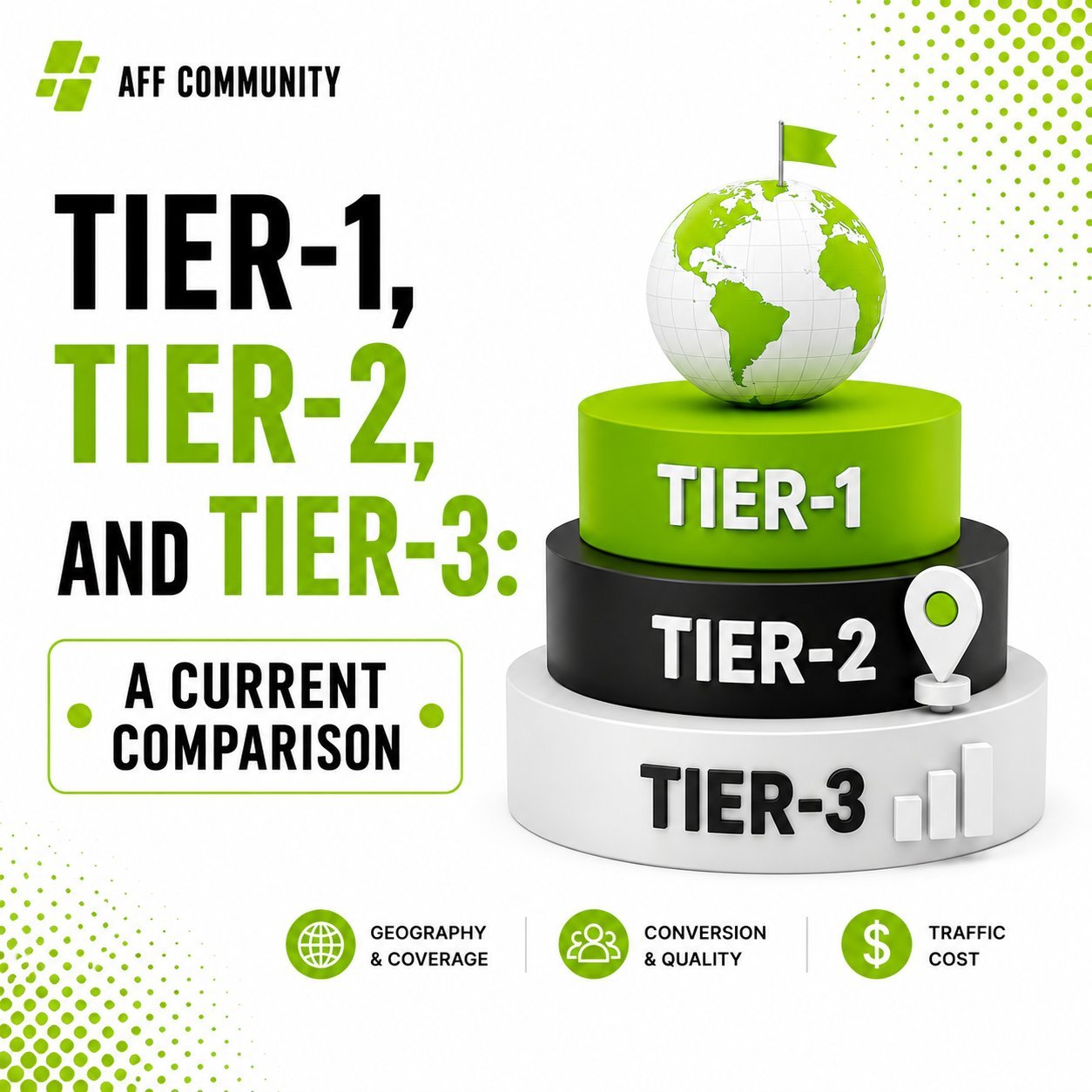
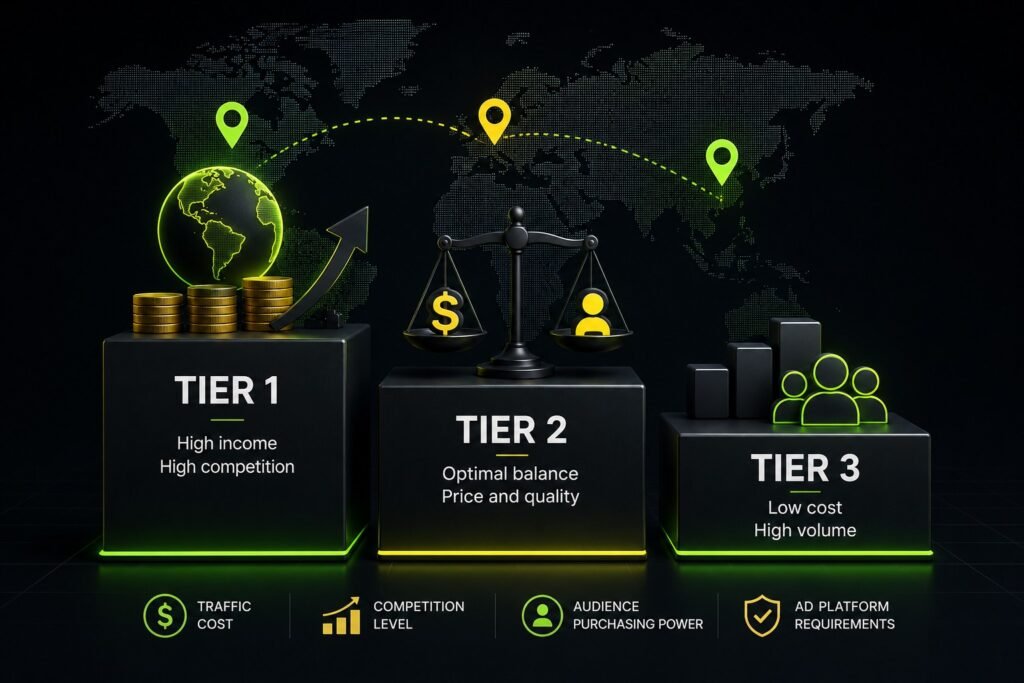
Tier-1 countries provide good profits in affiliate marketing. The Tier-1 region includes EU countries, the US, and some other countries. However, competition is also high: local companies invest significant budgets in promotion. To withstand the competition, webmasters should implement comprehensive strategies.

Competition is also high. Companies with large advertising budgets offer their services in local markets. It will be difficult for novice publishers to compete with such companies.

Conclusion

The travel vertical is suitable for all webmasters. This area is popular and allows you to set up “white” advertising correctly. During the travel season, ROI will be high, which webmasters will definitely appreciate. During periods of active storms, the travel vertical can be an interesting additional source of income.

How to avoid shaving

Shaving in affiliate marketing (from the word “shave”) is an unfair practice where an affiliate network or advertiser hides part of the conversions or traffic from the webmaster by filtering legitimate traffic, such as bots, or incorrectly counting unique users. This leads to a reduction in the webmaster’s legitimate income, which is appropriated by the affiliate networks or advertiser through technical manipulation of tracking and conversion data.

Recommendations for webmasters on preventing sheaving

Webmasters need to carefully monitor all fluctuations in statistics (CR, EPC, approve rate) and conduct retrospective analysis. If you detect anomalies and after conducting your own check, including analysis of server logs, caching, and script correctness, and you are sure that the problem is not on your side, contact your personal manager with a detailed report.

Monitoring call recordings and comments

Be wary of hidden comments and call recordings from the call center, as this may indicate shaving. From a technical point of view, it is particularly suspicious if there are recordings for some leads and not for others, especially for high-value leads; this requires checking the call distribution and logging system.

Use your own proxy server or VPS

Experts do not recommend directing traffic directly to the final link received from the affiliate program due to the risks of cookie stealing or manipulation of UTM tags. Instead, it is recommended to invest a small amount in your own hosting or VPS. This will allow you to set up traffic proxying through your server, ensure data transfer via Postback API/S2S, and implement detailed server logging (recording IP, User-Agent, time, referrer, clicks) with the ability to customize filtering to your needs. Having your own hosting protects you from shaving at the redirection level and gives you complete control over the installation of any necessary metrics and tags.

Using test leads

It is extremely useful to periodically run test leads. The key condition is that the lead must be real, honest, imitating the behavior of the target user with unique data, IP, and device. The simplest method is to place an order through a friend or relative. A test lead helps to technically evaluate the quality of the advertiser’s product, the speed of lead recording in the affiliate networks (timestamp), the fact of its recording, and the correctness of data passing through the chain from click to conversion and postback.

Use of your own landing pages

It is highly recommended to use your own landing pages. Having your own landing page eliminates the risk of built-in hidden code for shewing, such as scripts that filter traffic before it is transferred to the affiliate link. An additional advantage is complete freedom to change the design, conduct A/B testing of elements, and have full control over all scripts and pixels placed without template restrictions.

Connecting external tracking systems

For independent control and prompt detection of discrepancies in the number of clicks or conversions between your data and the data of the CPA network/advertiser, which is a key indicator of fraud, as well as for additional traffic quality verification (bot detection, source validation), you should connect external tracking services (e.g., Binom, RedTrack, Voluum).

Analysis of canceled or invalid leads

It is important to request a detailed check of leads that have been marked as “canceled” or “invalid.” If there are doubts about the reasons for the cancellations, especially if the percentage of refusals is high, it is necessary to request call records, CRM screenshots, or processing logs from the affiliate networks. This allows you to personally assess the quality of lead processing and compliance with validation criteria. Refusal to provide such technical data or a clear justification for the cancellation is considered a clear sign of shaving.

CPA network measures to strengthen trust

Technical support and bonus compensation

CPA networks are obliged to put the interests of their partners above their own. The ideal solution is to implement support programs. For example, if there are delays in data reconciliation (caused by API synchronization issues or data pipelines) between the network and the advertiser, leading to delays in payments to the webmaster, CPA networks should compensate for this by issuing additional bonus points (cashback) that can be spent on promoting offers.

Regular technical audits

To prevent loss of trust to affiliate networks, regular technical audits of their infrastructure are necessary to eliminate failures such as API crashes, incorrect postback processing, or errors in offer configuration. Such malfunctions directly lead to a decrease in the approve rate and webmaster’s income.

Checks should include the availability and response speed of key website pages and API endpoints (using uptime monitoring services such as Pingdom, UptimeRobot, and WAVE 3.0 or FAE availability tools), the correctness and validity of landing page code and scripts (using the W3C Markup Validator Service and JS/CSS linters to eliminate critical errors that affect calculations), as well as ensuring cross-browser and cross-platform compatibility of landing pages for offers before publication (checking display and functionality in different browsers, on different operating systems and screen resolutions using emulators and real devices).

Dealing with suspected fraud

If there is suspicion of fraud (cheating, bot traffic) on the part of the webmaster, it is critically important to first initiate a detailed dialogue, providing specific evidence (logs, screenshots, anti-fraud system data), rather than applying a block without explanation. If the violations are not systemic in nature, the manager should clarify the circumstances — perhaps the cause is a poor-quality source or a technical error on the part of the webmaster. Account blocking should be considered only as a last resort after all other options have been exhausted.

Transparency and accessibility of reporting

Maximum transparency of reporting is the foundation of trust. This implies providing call records (through integration with call tracking), access to full comments on leads, detailed conversion statuses, and the ability to export raw data (logs) on request.

Equally critical is effective and technically competent support, preferably available 24/7 via a ticket system and live chat, with clear SLAs. Webmasters must be confident that they can quickly contact the CPA network and receive a substantive response from competent engineers or managers. In the long term, the introduction of distributed ledger (blockchain) technologies for transparent and immutable verification of conversions can help build trust.